Helping Children Succeed
Paul Tough
26m24 ch
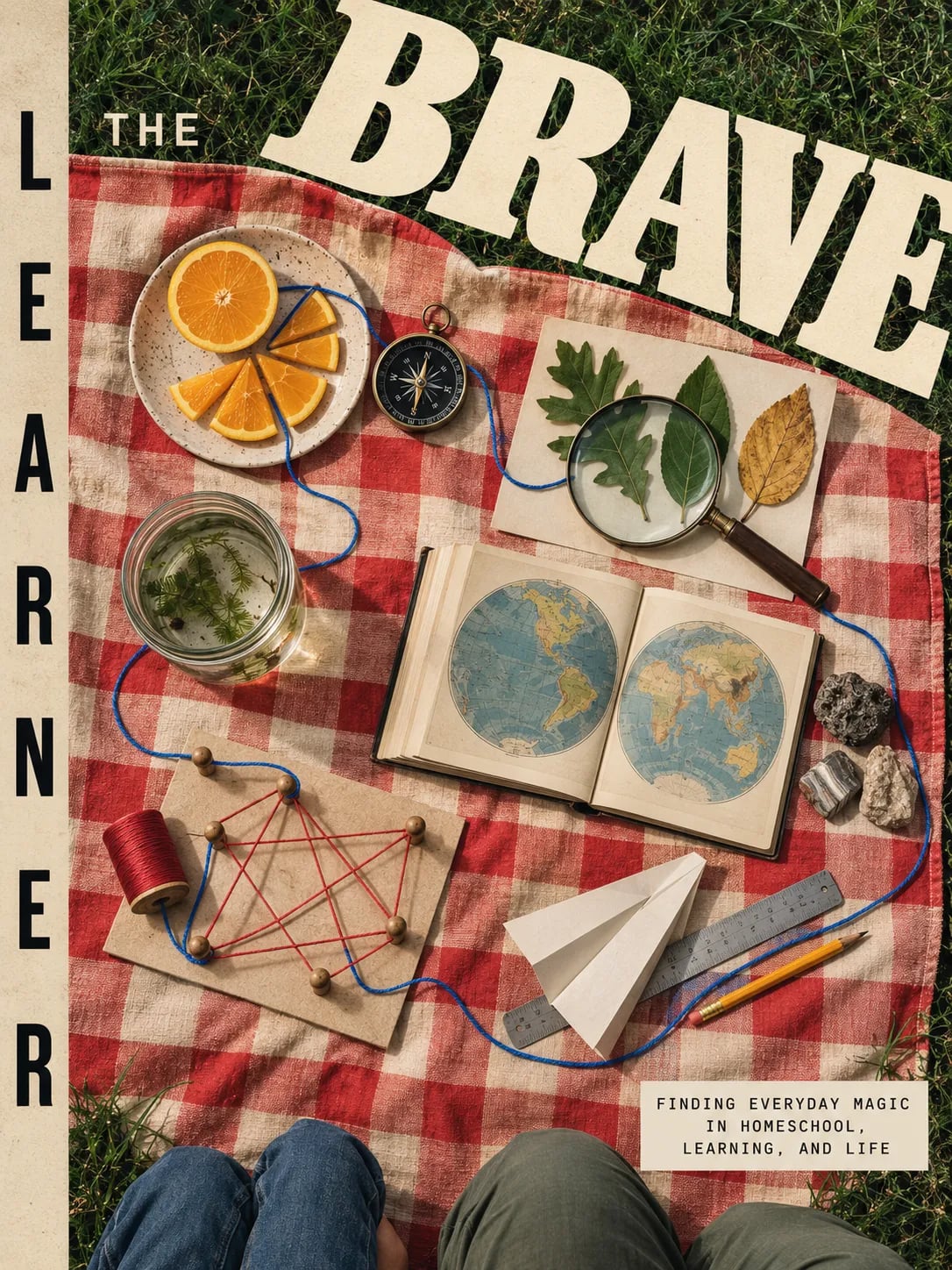
"The Brave Learner" challenges conventional educational methods, advocating for an enchanted learning lifestyle centered on a child's innate curiosity and deep family connection. It introduces "Superpowers" for brave learning, encompassing four Forces of Enchantment (surprise, mystery, risk, adventure), four Capacities for Learning (curiosity, collaboration, contemplation, celebration), and four Ports of Entry (mind, body, heart, spirit). Readers gain practical strategies to apply these principles creatively across core subjects, fostering a home environment where learning naturally thrives with joy and purpose. The book emphasizes the importance of flexible routines over strict schedules, encouraging parents to set realistic expectations for themselves and their children. Ultimately, it serves as a guide for parents to cultivate their own passions, address family dynamics, and create an authentic, supportive educational journey for their entire family.
Press play to hear the insight read aloud. Each word highlights in sync with the narration.
Intro
This profound exploration invites you on a journey to rediscover the inherent magic of learning that often gets lost in the rigid structures of traditional education. It's a call to embrace a more fluid, joyful approach to nurturing curiosity, not just in children, but in ourselves. You'll find insights on transforming everyday moments into rich educational experiences, centering on the belief that genuine connection and an adventurous spirit are the truest guides to intellectual and emotional growth. Prepare to be inspired to cultivate an environment where learning is as natural and vital as breathing.
1. Embracing the Magic of Everyday Learning
Embracing the magic of everyday learning The essence of deep learning lies not in strict routines or formal instruction, but in fostering an enchanted landscape within the home. Imagine a home where creativity is visible everywhere, where mismatched furniture invites comfort, and a large table, jam -packed with art supplies, stands as a constant invitation to create, to make mistakes, and to explore. This kind of environment, often wonderfully messy, becomes a vibrant backdrop for discovery, transforming mundane objects like a fallen branch into a piece of art. It's about cultivating a heightened awareness to find surprises of happy in the ordinary, turning your living space into a haven of possibilities and projects continually in process.
Continue reading with the cont. app
The full chapter-by-chapter breakdown is waiting for you in the app.
Continue readingI. The Enchanted Landscape of Learning: Creating the Context for Magic
Enchantment is more than "fun"; it's a "flirtatious force" that leads to a consuming love for learning. It's about living with a heightened awareness, constantly seeking "small surprises of happiness" in ordinary circumstances, allowing joy to flow naturally. This state is "combustible, sparkly, mesmerizing," leaving a "happy glowing memory of immersion".
The home environment is crucial for fostering enchantment. It should be welcoming, alive, and unkempt, creating a space for risk and mistakes, rather than a "showroom-worthy" perfection. Simple acts like setting up an "always open" art table with diverse supplies can invite creativity and exploration.
Learning is naturally interconnected. The book proposes two core principles: "Everything Can Be Taught Through Anything" and "Children Already Love Learning." This means that traditional subjects are not isolated islands but can be accessed through a child's passions, demonstrating the relevance and "immediate use and value" of information. When children are happy and feel connected, they are learning the most.
II. Casting the Spell: The Superpowers of Brave Learning
The book identifies three groups of "Superpowers" – Forces of Enchantment, Capacities for Learning, and Ports of Entry – that help children engage intimately with subjects and truly internalize their education.
A. The Four Forces of Enchantment (Ignite the Learning Journey): These forces initiate the magical "spark" of learning.
Surprise: Startles a person into delight, creating unexpected, dazzling moments. This can be achieved by parents breaking character, admitting they don't know something, or by "clearing the coffee table" and leaving out an intriguing item without explanation, inviting curiosity.
Mystery: Sustains attention by reveling in depth, awe, and wonder. It involves finding the "unknowable" heart of subjects and using "perceptual tools" (e.g., binoculars, microscopes) to alter how children see. The most powerful way to explore a subject is through encounter, rather than just reading or experiencing.
Risk: Stimulates children by offering them a personal stake and a compelling vision for a goal they value. This involves supporting their "Big Hairy Audacious Goals" (BHAGs) and daring to think differently, tolerating both thrill and potential failure.
Adventure: An "active journey" that implies hazard and means getting out of the house. It's crucial for children to test their self-sufficiency in new environments and allow for "sanding the edges" of their personalities by interacting with others.
B. The Four Capacities for Learning (Nourish Interest): These capacities act like "vitamin C," helping students create meaningful connections.
Curiosity: The fundamental capacity to wonder, which triggers all learning. Parents should maintain an "outrageous presumption of curiosity" in their children's behavior, taking their interests seriously, even if they seem unconventional.
Collaboration: The capacity to partner, busting the myth of purely "independent learning." Children thrive with troubleshooting partners. This involves engaging in "big juicy conversations" and parents acting as "big sisters" or coaches, offering support and experienced insight.
Contemplation: The capacity to sustain tireless attention and deep immersion, characterized by "relaxed alertness." This may look like "wasting time" or obsessive play but builds critical thinking skills that transfer to other areas.
Celebration: The capacity to honor one's own achievements. Unlike rewards, celebration is a natural, joyful recognition of accomplishment that fosters pride and motivates children to tackle new challenges. It's vital to allow children to enjoy proficiency for a good while before moving to new material. Giving children choice in learning and setting personal, measurable goals is key.
C. The Four Ports of Entry (Internalize Meaning): These are the access points where education takes root and becomes a person's own possession.
Mind: Acknowledge and value multiple intelligences (visual/spatial, bodily/kinesthetic, logical/mathematical, naturalist, auditory, verbal/linguistic, interpersonal, intrapersonal) beyond traditional academic ones. Look for the "mind at work" in all aspects of a child's life, from hobbies to humor.
Body: Accommodate children's natural need to move, bend, and fidget. Integrate physical activity into learning (e.g., "blast off" counting), and prioritize comfort (good lighting, snacks, cozy spaces) to enhance receptivity and concentration. The "Do, Be, Do" cycle of warm-up, focus, and break is recommended.
Heart: Foster love of the subject, tender connections with coaches, and pride in self. Allow children to relish newfound abilities and enjoy competence. Appropriate challenge, dawning competence, and finding personal meaning are crucial for growing this love.
Spirit: Nurture the "capacity to care" and a child's moral imagination. This involves modeling empathy, generosity, and active listening. Exposing children to diverse perspectives through literature expands their understanding and inspires them to align their behavior with their ideals.
III. Sustaining the Magic: Practical Strategies for the Homeschool Journey
Routine, Not Schedule: Abandon rigid "school schedules" in favor of a flexible "home routine" that accommodates family life and spontaneous learning opportunities. This reduces pressure and anxiety.
Meaning-Rich Materials: Choose curricula and resources that genuinely inspire you, the parent, and are engaging for your children. Avoid dull, rote materials. Math games, hands-on science, and historical fiction are good examples.
Invitation, Not Insistence: When facing resistance, replace "insistence, coercion, shaming" with invitation. Adapt the learning experience with elements of enchantment, collaborate, offer choices, and celebrate small efforts to foster connection and responsiveness.
Measure Progress "From Behind": Instead of future-oriented planning and grading, record learning after it occurs using a "Monthly Narrative Sketch" and a "Scatterbook." This provides a holistic, non-judgmental view of a child's continuous learning and growth across all activities.
House-schooling: Design your home to support learning by embracing its "messiness" and prioritizing children and their education over pristine furnishings. Make tools and materials easily accessible for exploration. Rethink "chores" as opportunities for communal "giving" and shared responsibility, with parents willing to ask for help and lower their standards.
Reasonable Expectations: Embrace limits, recognizing there are "no educational emergencies." Lower the bar to allow children to experience success. Embrace the "power of play" at all ages as a legitimate and powerful form of learning. Prioritize parental self-care ("awesome adulting") by pursuing your own passions, hobbies, and aspirations; this models an appealing vision of adulthood for your children. Ultimately, "connection, connection, connection" is the most important feature of a harmonious homeschool family, built on parents genuinely liking and enjoying their children.
IV. Breaking the Spell and Rekindling the Magic: Addressing Challenges
The Invisible Education: Recognize that the family's emotional "atmosphere" and underlying dynamics (e.g., stress, conflict, unhealed trauma) profoundly impact a child's capacity for "relaxed alertness" and learning. Children's moods can act as "emotional weather vanes" for the home. Parents must address their own "invisible education" and be willing to seek help for personal growth.
Managing Difficult Emotions: Parents must learn to own their frustrations and anger rather than "yelling" or "padunk-adunking," which creates a "toxic management tool." Responding in "the opposite spirit" or telling the "freaking truth" about one's own needs can reset the emotional atmosphere and foster mutual care.
The Disenchanting Power of "Doing It Right": Beware of "ideological purity" or "true belief-ism" that creates rigid systems, obsession, and control, undermining trust and authenticity. When adherence to a philosophy becomes more important than connection and individual needs, flaws and failures are driven underground. It's crucial to "tell the truth, but hold that truth benevolently," allowing for flexibility and a tailor-made education ("us-schooling").
Reverse the Curse: Rekindling the Magic: This involves using tools like a "Type B Checklist" of gentle, connection-focused actions (e.g., listening, hugging, smiling). It means being open to "surprises of happiness" finding you and celebrating "paydays" – the moments when your children's achievements reflect your efforts. Ultimately, the journey requires acknowledging that "you only have to get it mostly right" and that "wisdom is a way of seeing and knowing the same old ten thousand things but in a new way" with more of yourself. It's an ongoing process of courage, connection, and continually adapting to the unique needs of each family member.
More like this
Helping Children Succeed
Paul Tough

It’s OK to Go Up the Slide
Heather Shumaker

We Can Do Hard Things
Glennon Doyle, Abby Wambach, and Amanda Doyle

It. Goes. So. Fast. The Year of No Do-Overs
Mary Louise Kelly
Connected Parenting
Jennifer Kolari

Minimalist Parenting
Christine Koh and Asha Dornfest
Positive Discipline for Today’s Busy (and Overwhelmed) Parent
Jane Nelsen, Kristina Bill, and Joy Marchese

The Tech-Wise Family
Andy Crouch
Editorial insight by cont. Not affiliated with, endorsed by, or sponsored by the author or publisher. Buy or borrow the full book at Amazon.