Pluto
Largest dwarf planet in the Solar System
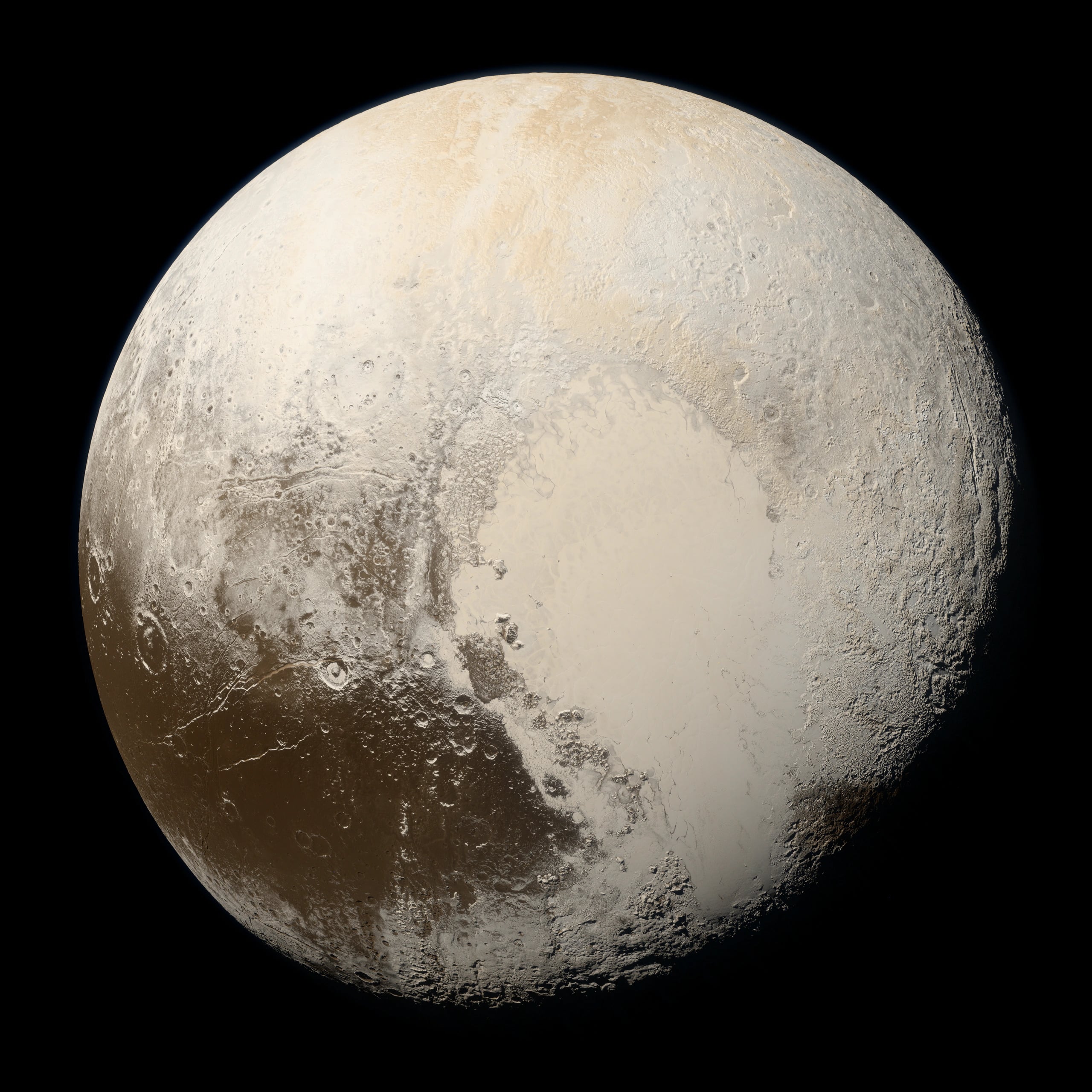
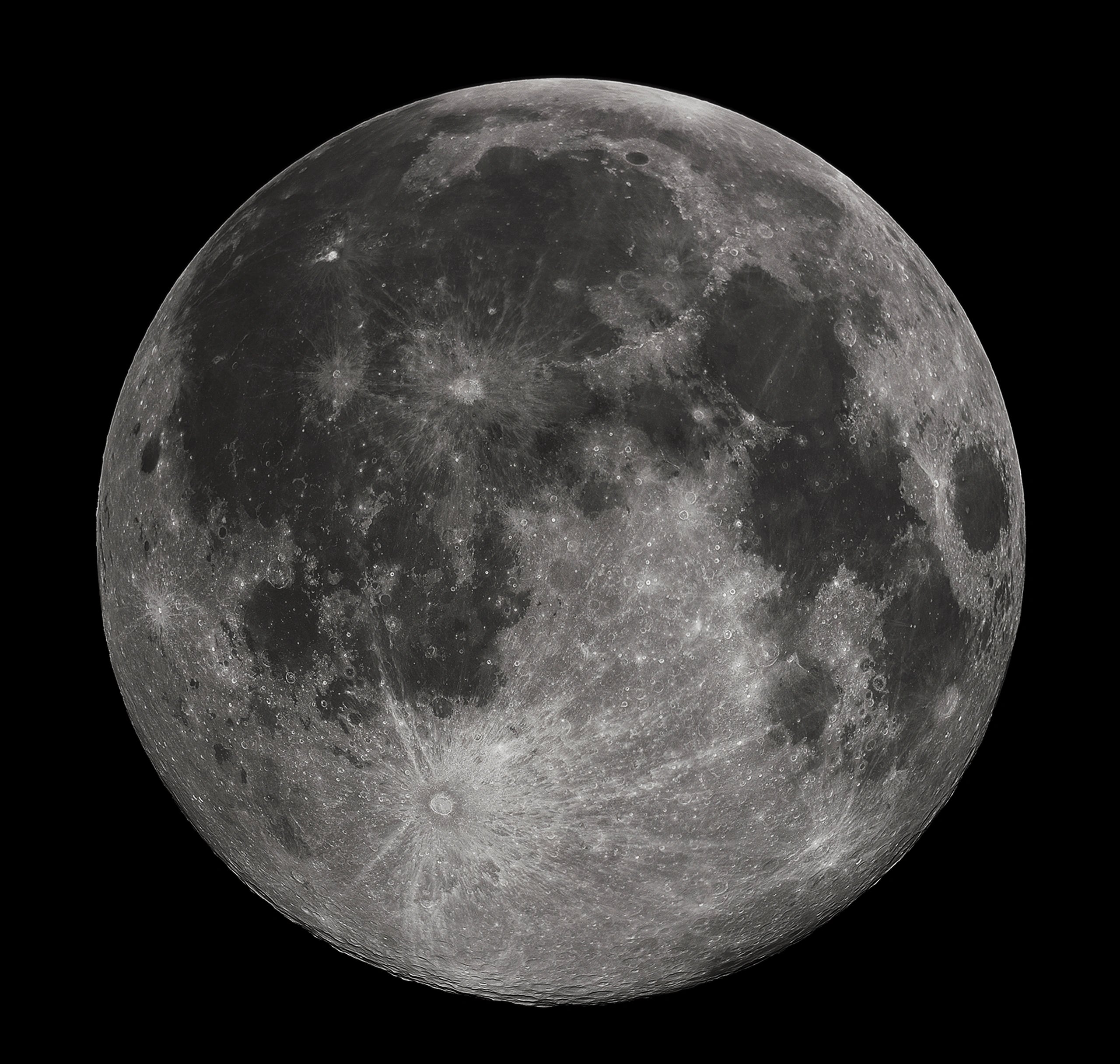
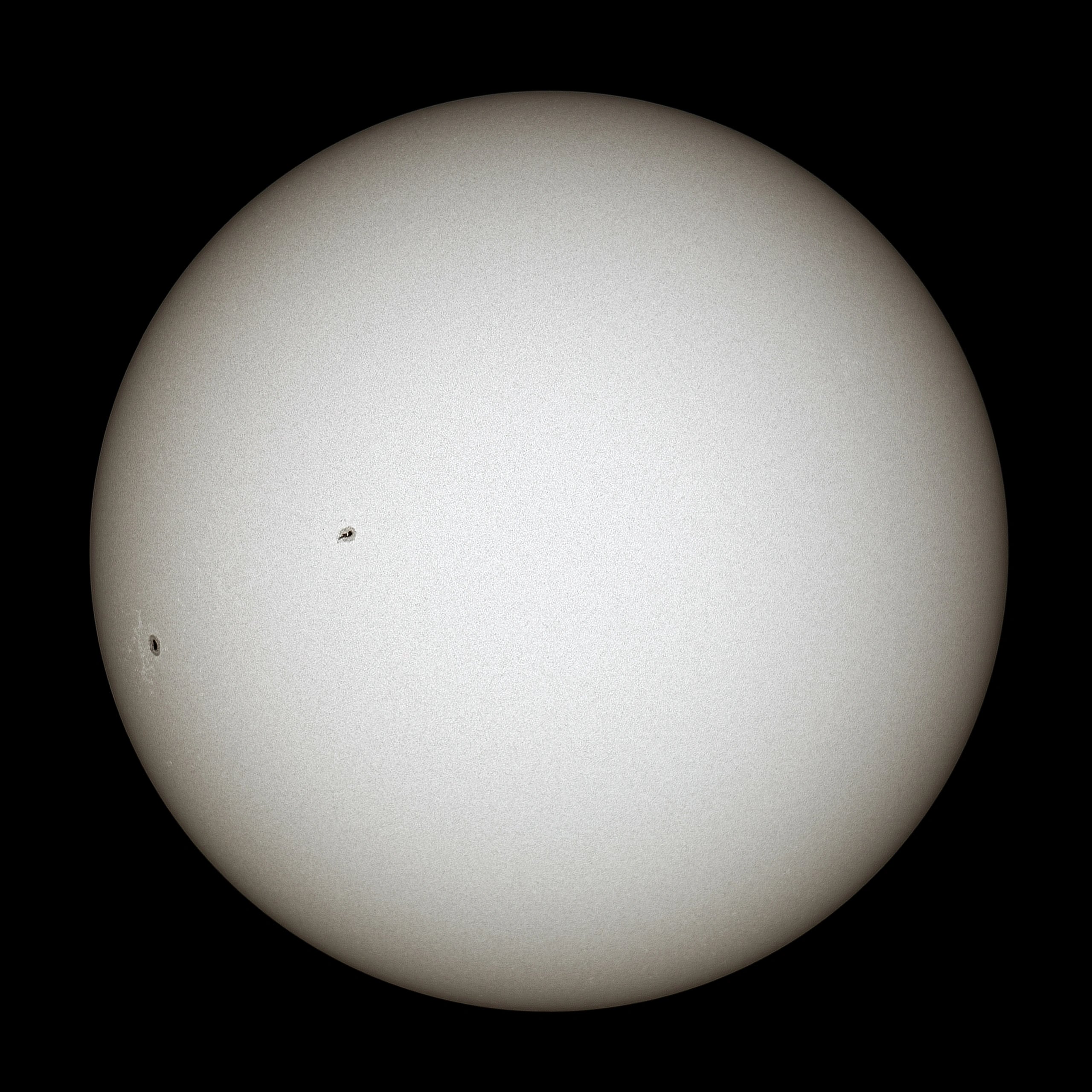
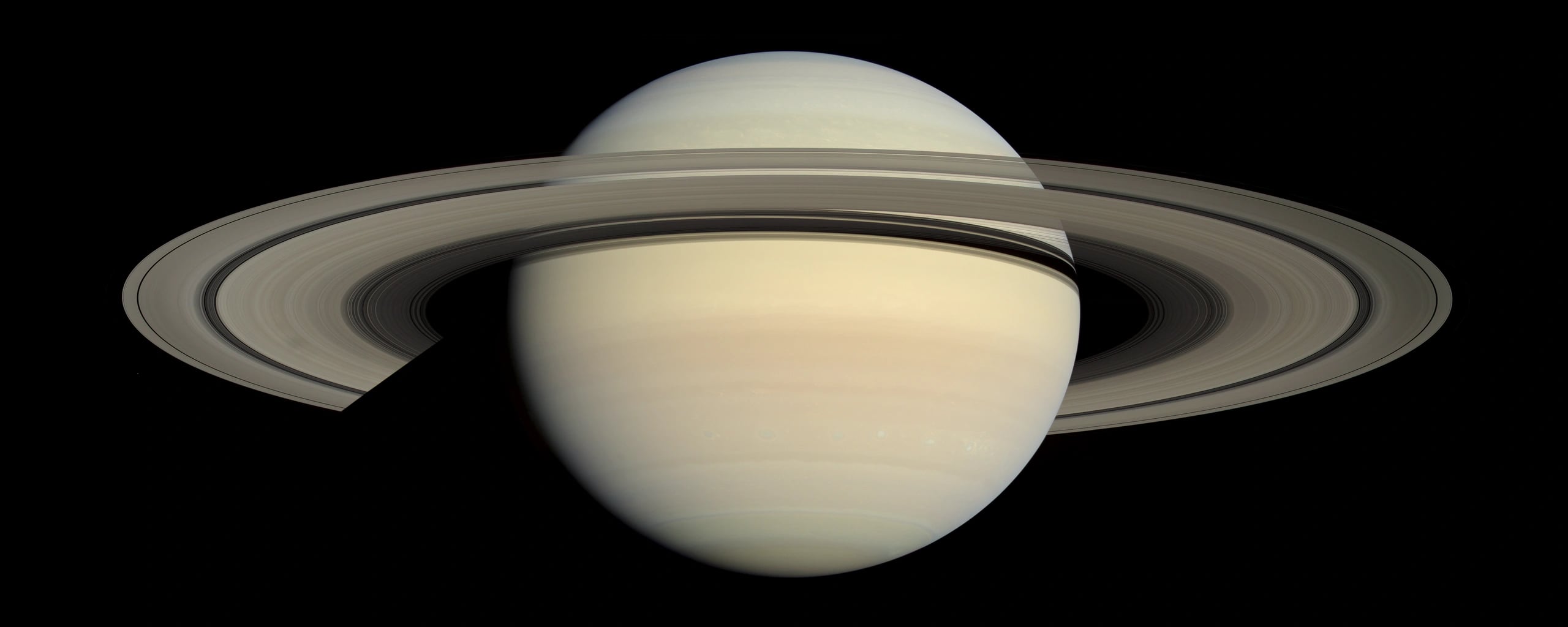
Pluto (minor-planet number 134340) is a dwarf planet in the Kuiper belt, a ring of bodies beyond the orbit of Neptune. It is the ninth-largest and tenth-most-massive known object to directly orbit the Sun. It is the largest known trans-Neptunian object by volume by a small margin, but is less massive than Eris. Like other Kuiper belt objects, Pluto is made primarily of ice and rock and is much smaller than the inner planets. Pluto has roughly one-sixth the mass of the Moon and one-third of its volume. Originally considered a planet, its status was changed when astronomers adopted a new definition of the word with new criteria.
Pluto has a moderately eccentric and inclined orbit, ranging from 30 to 49 astronomical units (4.5 to 7.3 billion kilometres; 2.8 to 4.6 billion miles) from the Sun. Light from the Sun takes 5.5 hours to reach Pluto at its orbital distance of 39.5 AU (5.91 billion km; 3.67 billion mi). Pluto's eccentric orbit periodically brings it closer to the Sun than Neptune, but a stable orbital resonance prevents them from colliding.
From Wikipedia and its contributors, under CC BY-SA 4.0. Text reformatted for this reading view.