Io (moon)
Innermost Galilean moon of Jupiter
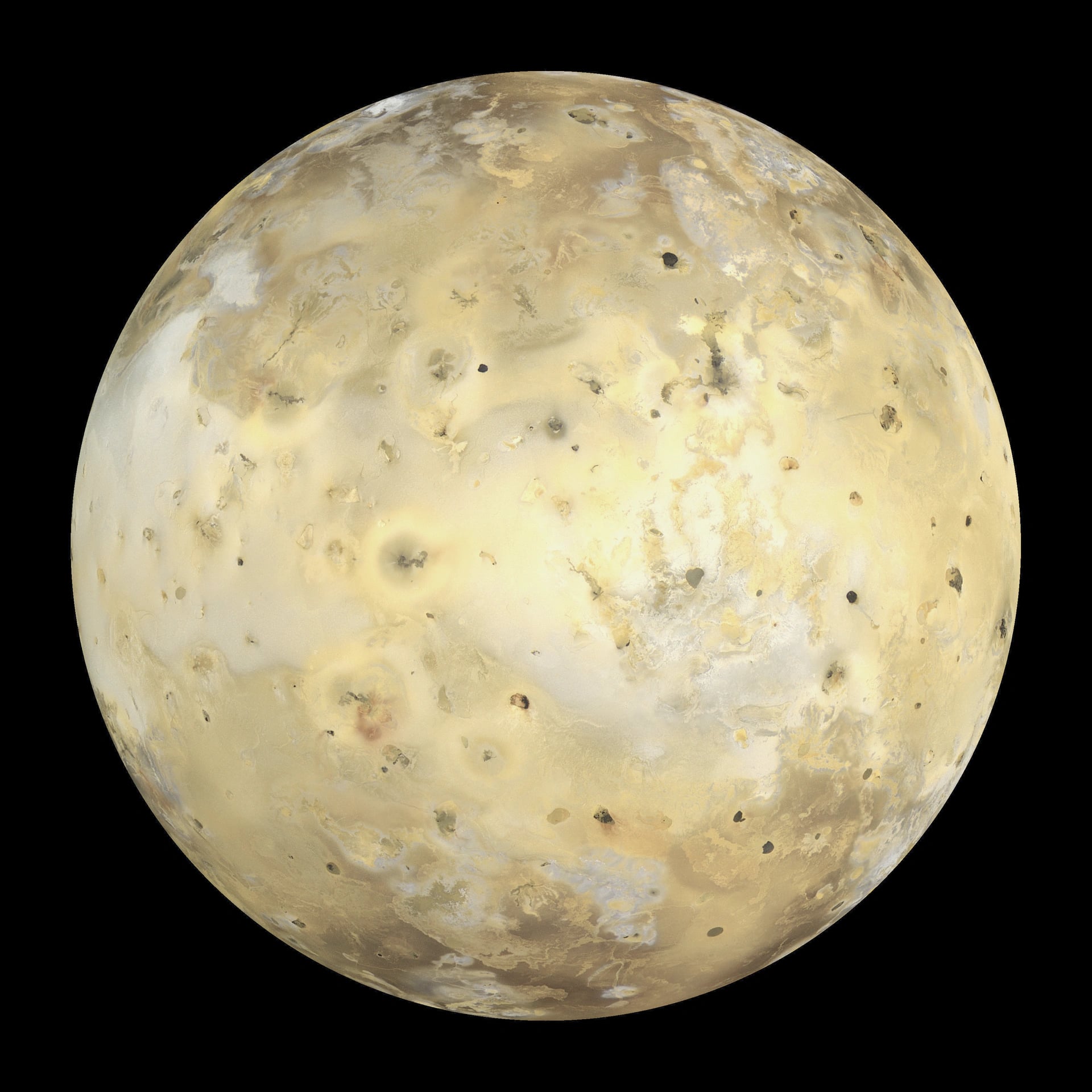
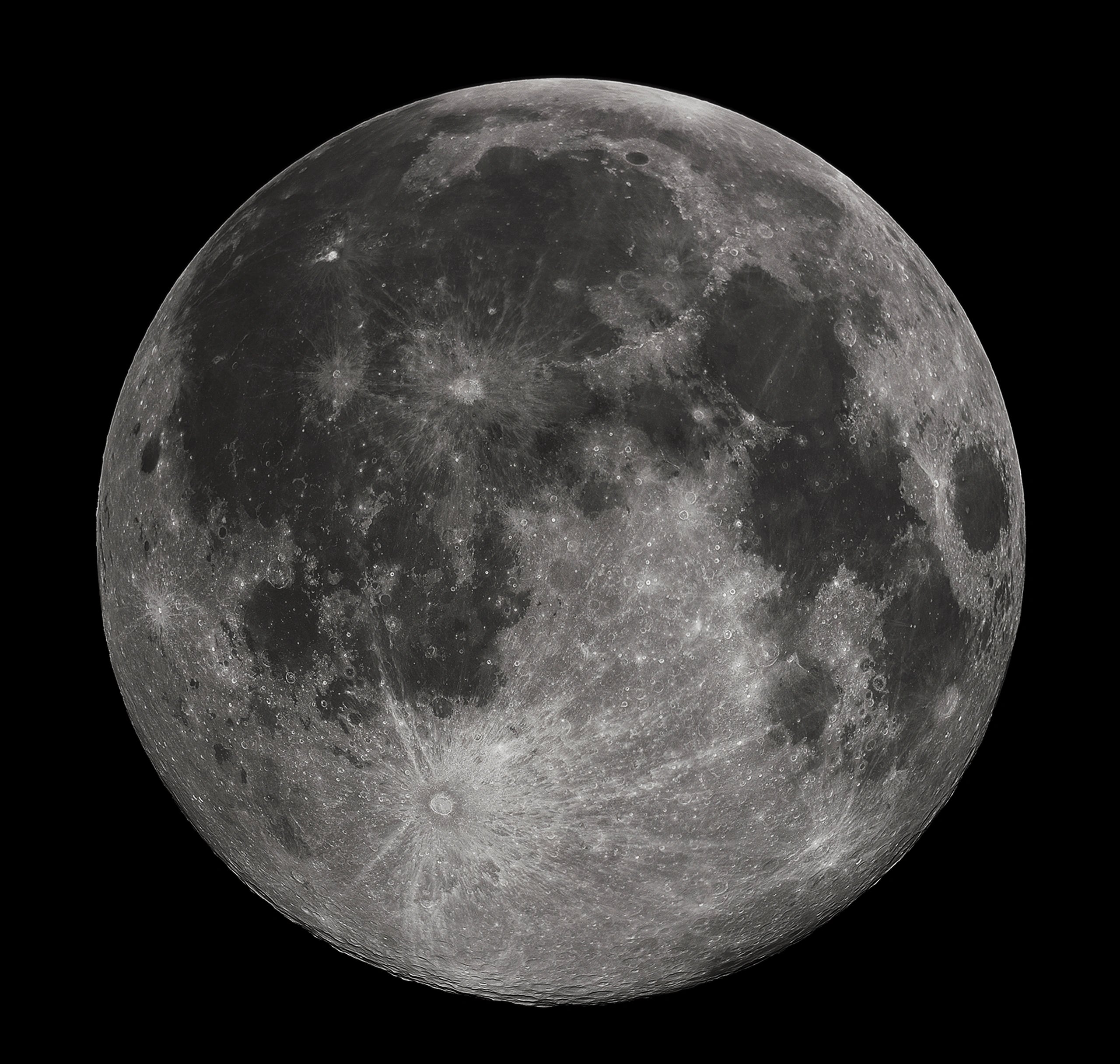
Io () is the innermost and second smallest of the four Galilean moons of Jupiter. Slightly larger than Earth's Moon, Io is the fourth-largest natural satellite in the Solar System, has the highest density and strongest surface gravity of any natural satellite, and the lowest amount of water by atomic ratio of any known astronomical object in the Solar System.
With over 400 active volcanoes, Io is the most geologically active object in the Solar System. This extreme geologic activity results from tidal heating from friction generated within Io's interior as it is pulled between Jupiter and two other Galilean moons—Europa and Ganymede. Several volcanoes produce plumes of sulfur and sulfur dioxide as high as 500 km (300 mi) above the surface. Io's surface is also dotted with more than 100 mountains uplifted by extensive compression at the base of Io's silicate crust. Some of these peaks are taller than Mount Everest, the highest point on Earth's surface. Unlike most moons in the outer Solar System, which are mostly composed of water ice, Io is primarily composed of silicate rock surrounding a molten iron or iron sulfide core. Most of Io's surface is composed of extensive plains with a frosty coating of sulfur and sulfur dioxide.
From Wikipedia and its contributors, under CC BY-SA 4.0. Text reformatted for this reading view.