Apollo 8
First crewed space mission to orbit the Moon
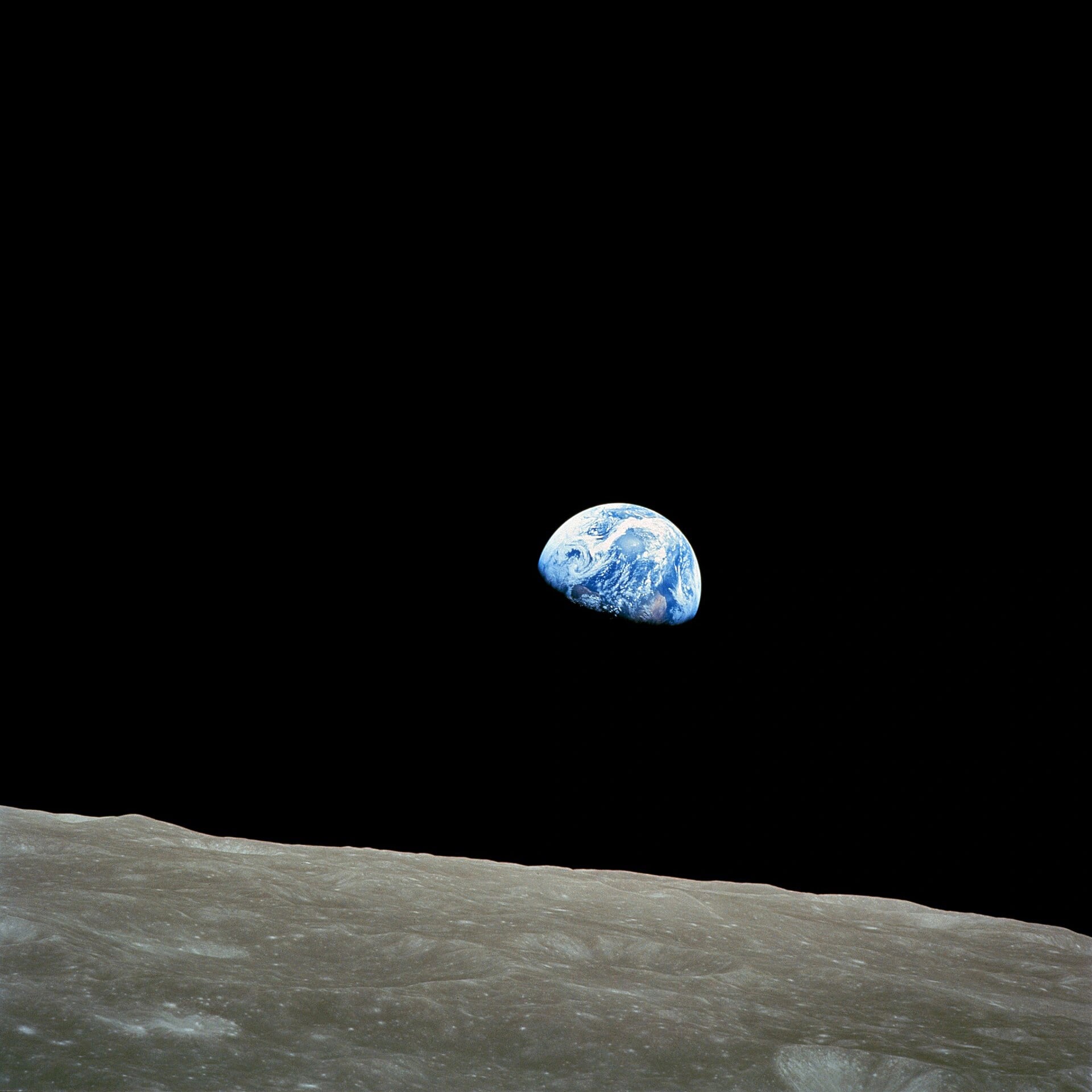
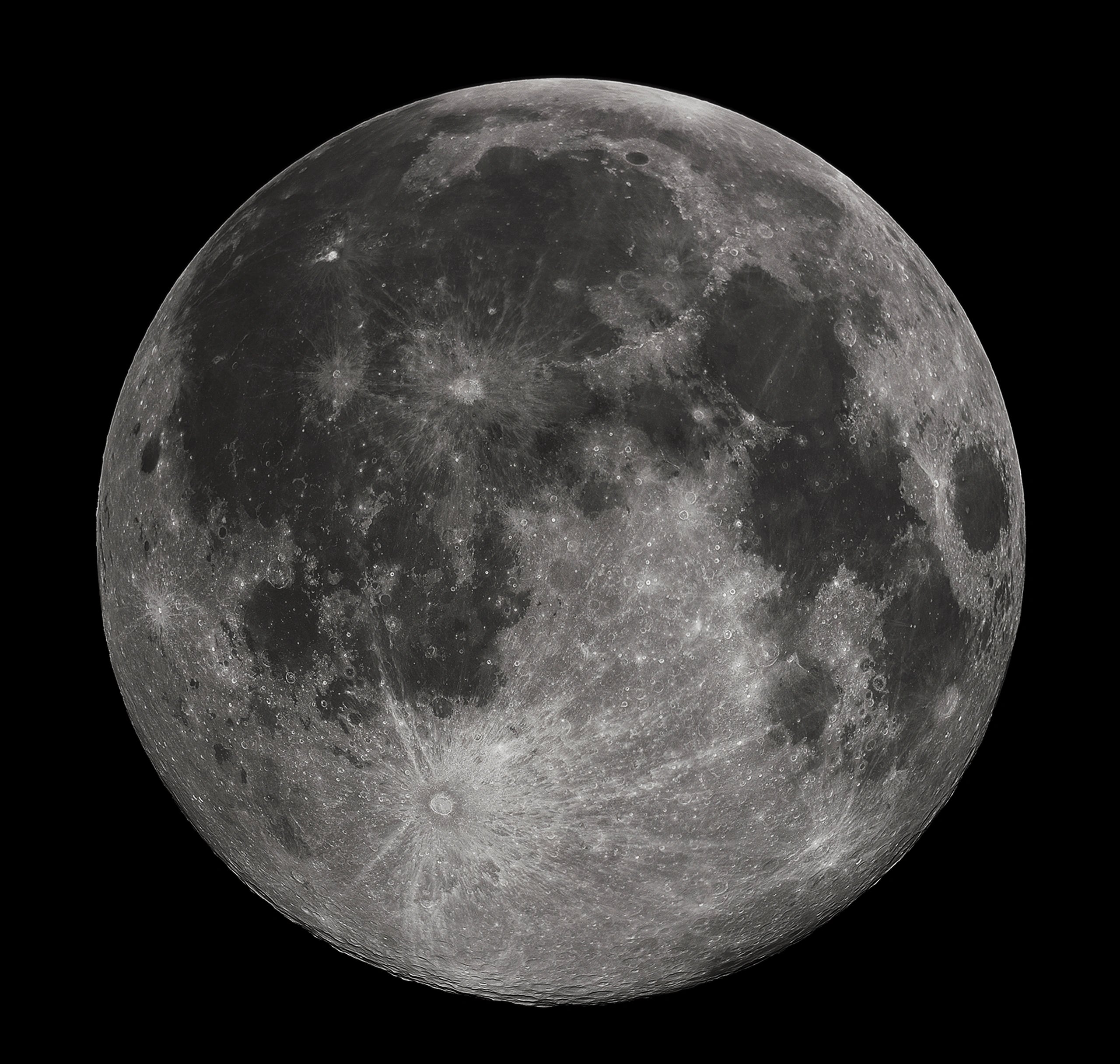
Apollo 8 (December 21–27, 1968) was the first crewed spacecraft to leave Earth's gravitational sphere of influence, and the first human spaceflight to reach the Moon. The crew orbited the Moon ten times without landing and then returned to Earth. The three astronauts—Frank Borman, Jim Lovell, and William Anders—were the first humans to see and photograph the far side of the Moon and an Earthrise.
Apollo 8 launched on December 21, 1968, and was the second crewed spaceflight mission flown in the United States Apollo space program (the first, Apollo 7, stayed in Earth orbit). Apollo 8 was the third flight and the first crewed launch of the Saturn V rocket. It was the first human spaceflight from the Kennedy Space Center, adjacent to Cape Kennedy Air Force Station in Florida.
From Wikipedia and its contributors, under CC BY-SA 4.0. Text reformatted for this reading view.