Sea
Large body of salt water
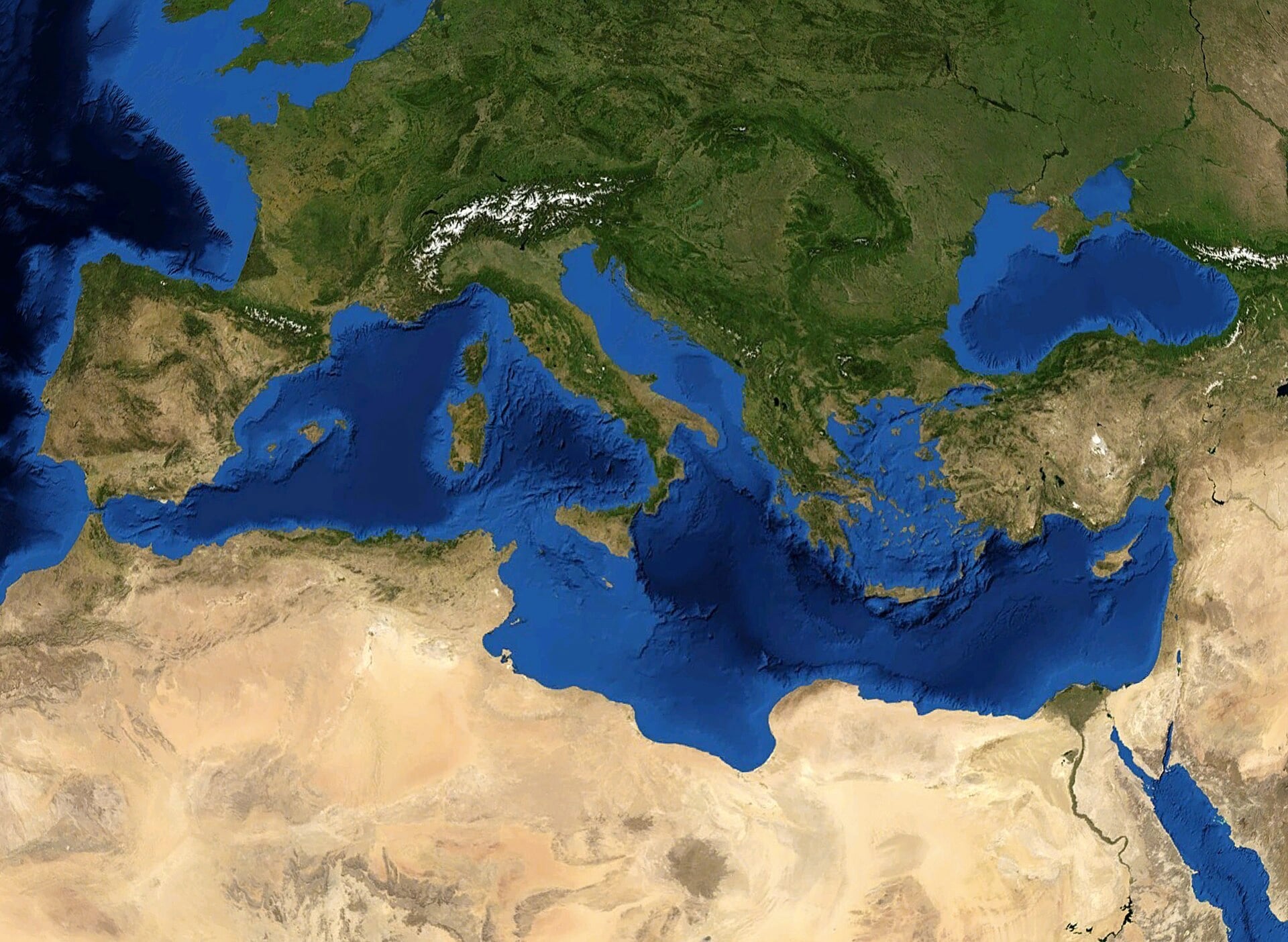
A sea is a very large body of salty water. The term has two distinct meanings. The first is the interconnected body of seawater that spans most of Earth, known as the sea or the ocean. The second is a named body of water: usually either a marginal sea (a second-order section of the oceanic sea such as the Mediterranean Sea), or a large, nearly landlocked body of water.
The salinity of water bodies varies widely, being lower near the surface and the mouths of large rivers and higher in the depths of the ocean; however, the relative proportions of dissolved salts vary little across the oceans. The most abundant solid dissolved in seawater is sodium chloride. The water also contains salts of magnesium, calcium, potassium, and mercury, among other elements, some in minute concentrations. A wide variety of organisms, including bacteria, protists, algae, plants, fungi, and animals live in various marine habitats and ecosystems throughout the seas. These range vertically from the sunlit surface and shoreline to the great depths and pressures of the cold, dark abyssal zone, and in latitude from the cold waters under polar ice caps to the warm waters of coral reefs in tropical regions. Many of the major groups of organisms evolved in the sea and life may have started there.
From Wikipedia and its contributors, under CC BY-SA 4.0. Text reformatted for this reading view.