Evolution
Change in the heritable characteristics of populations
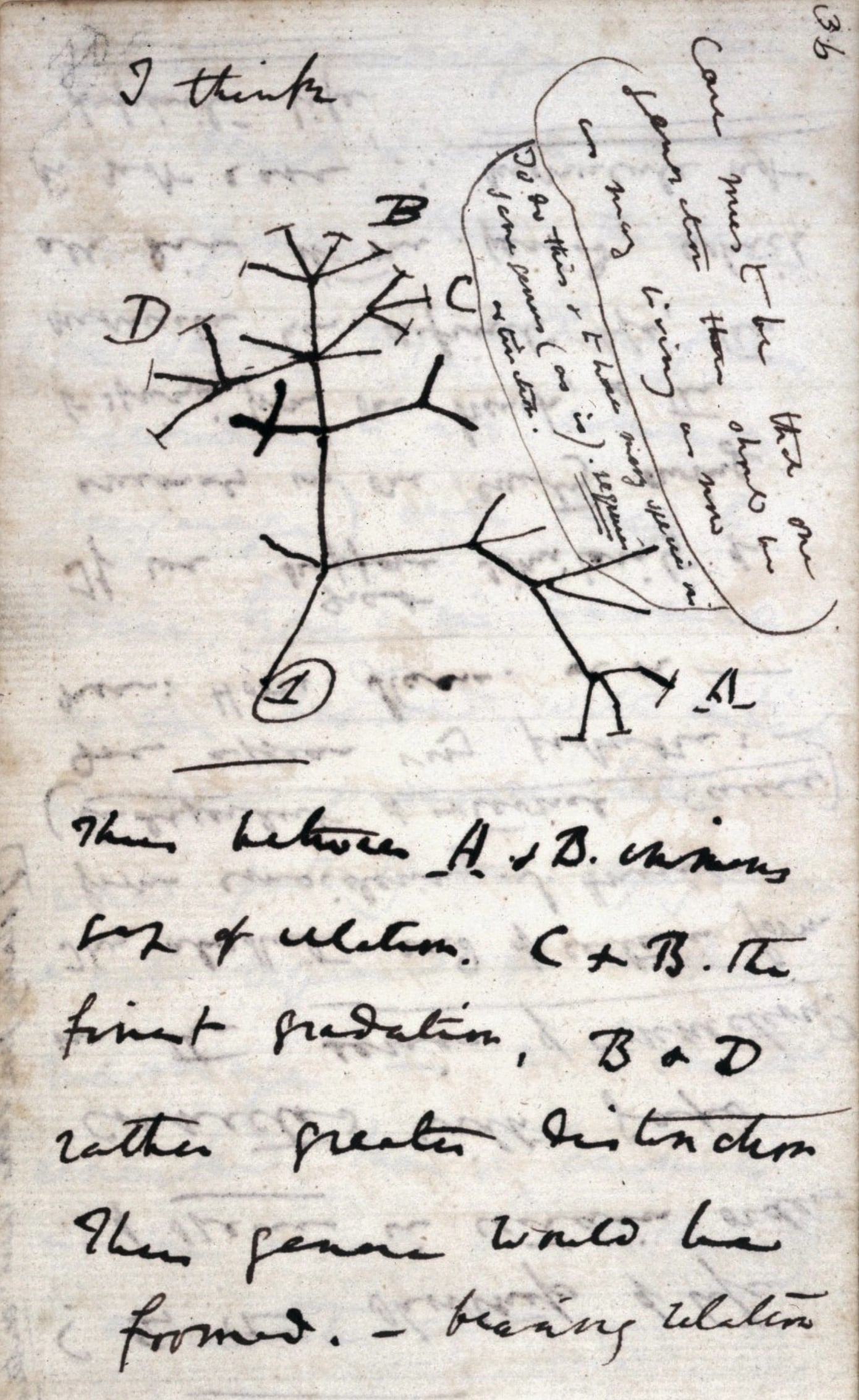
Evolution is the change in the heritable characteristics of biological populations over successive generations. It happens when individuals in a population vary in their genetic characteristics and in the numbers of their surviving offspring. Mutation introduces new genetic variation, and processes such as genetic drift, gene flow, and natural selection result in some genetic variants becoming more or less common over time. Evolution is often defined as a change in the frequency of alleles (the variants of a gene found at a specific locus) in a population.
In common parlance, evolution is often understood to involve a change in an organism's external appearance or behavior (phenotype). However, because alleles do not necessarily have a visible effect, in a strict biological sense evolution can occur even when the phenotype is unchanged.
From Wikipedia and its contributors, under CC BY-SA 4.0. Text reformatted for this reading view.