Cerro Blanco (volcano)
Caldera in Catamarca Province, Argentina
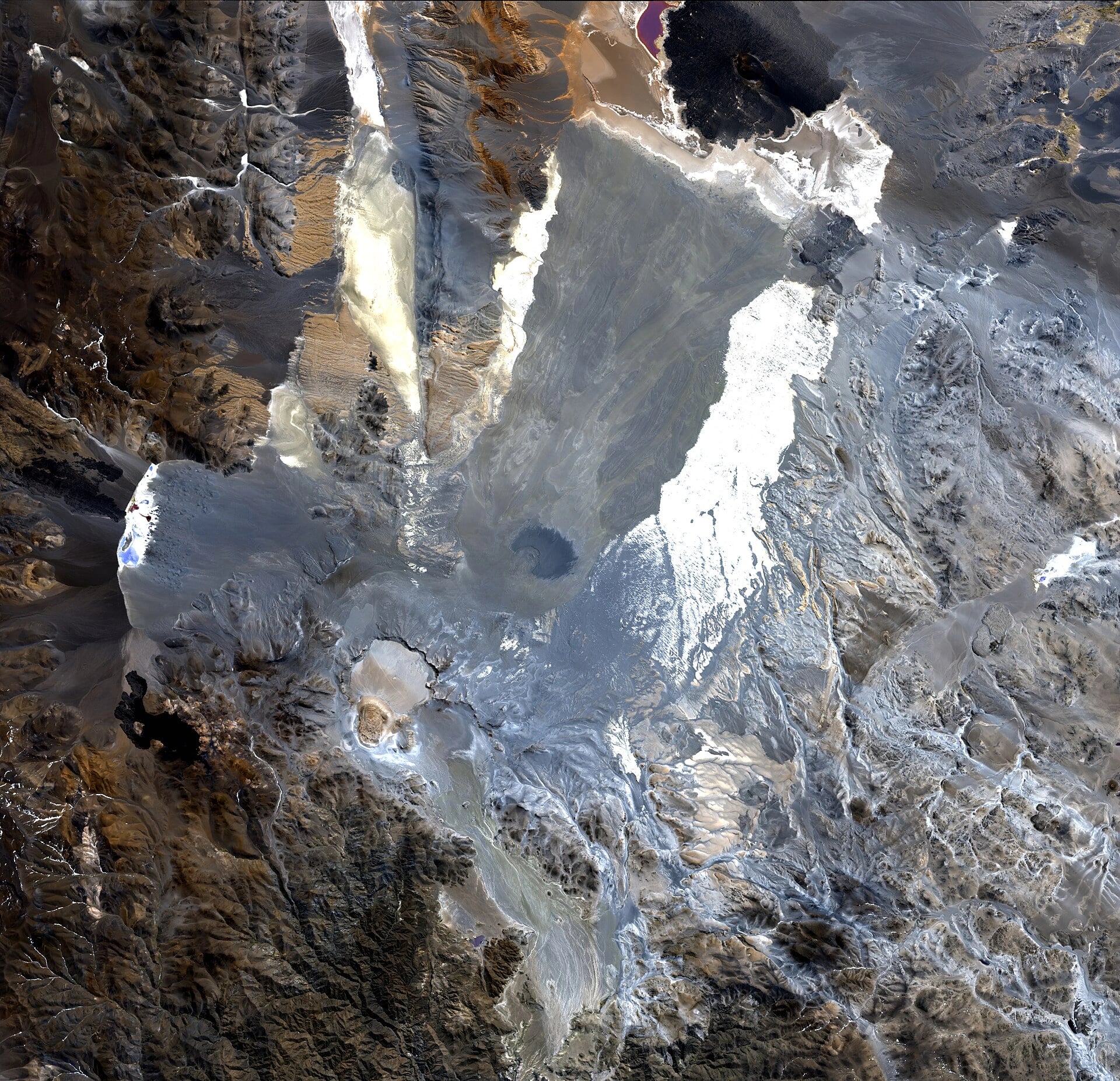
Cerro Blanco (Spanish: [ˈsero ˈβlaŋko], "White Hill") is a caldera in the Andes of the Catamarca Province in Argentina. Part of the Central Volcanic Zone of the Andes, it is a volcano collapse structure located at an altitude of 4,670 metres (15,320 ft) in a depression. The caldera is associated with a less well-defined caldera to the south and several lava domes.
The caldera has been active for the last eight million years, and eruptions have created several ignimbrites. An eruption occurred 73,000 years ago and formed the Campo de la Piedra Pómez ignimbrite layer. About 2,300 ± 160 BCE, the largest known volcanic eruption of the Central Andes, with a VEI-7, occurred at Cerro Blanco, forming the most recent caldera as well as thick ignimbrite layers. About 170 cubic kilometres (41 cu mi) of tephra were erupted then. The volcano has been dormant since then with some deformation and geothermal activity. A major future eruption would put nearby communities to the south at risk.
From Wikipedia and its contributors, under CC BY-SA 4.0. Text reformatted for this reading view.