Acra (fortress)
2nd-century BCE fortified place in Jerusalem
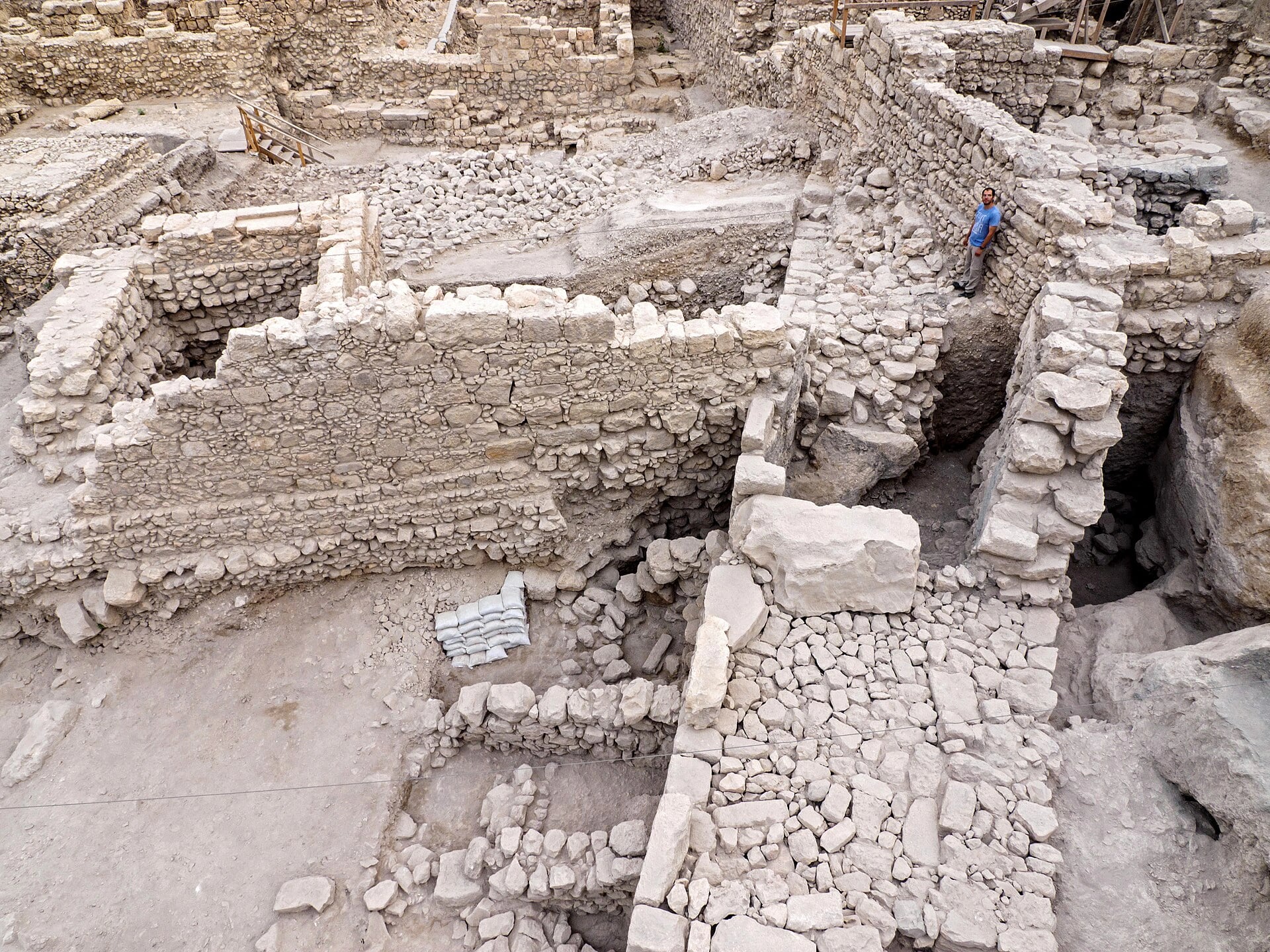
The Acra (also spelled Akra, from Ancient Greek: Ἄκρα, Hebrew: חקרא ,חקרה Ḥaqra(h)), meaning "stronghold" (see under "Etymology"), was a location in Jerusalem thought to have contained a fortified compound built by Antiochus Epiphanes, ruler of the Seleucid Empire, following his sack of the city in 168 BCE. The name Acra was also used at a later time for a city quarter probably associated with the by-then destroyed fortress, known to Josephus (first century CE) as both Acra and "the lower city". The fortress played a significant role in the events surrounding the Maccabean Revolt, which resulted in the formation of the Hasmonean Kingdom. The "upper city" was captured by Judas Maccabeus, with the Seleucid garrison taking refuge in the "Acra" below. The task of destroying this last enemy stronghold inside Jerusalem fell to Simon Maccabeus surnamed Thassi. Knowledge about the Acra is based almost exclusively on the writings of Josephus, which are of a later date, and on the First and Second Books of Maccabees, which were written not long after the described events.
The exact location of Acra within Jerusalem, and even the meaning of the term—fortress, fortified compound inside the city, or compound with an associated fortress—is critical to understanding Hellenistic Jerusalem, but it remains a matter of ongoing discussion. The fact that Josephus used the name interchangeably with 'the lower city' certainly does not help. Historians and archaeologists have proposed various sites around Jerusalem, relying initially mainly on conclusions drawn from literary evidence. This approach began to change in the light of excavations which commenced in the late 1960s. New discoveries have prompted reassessments of the ancient literary sources, Jerusalem's geography, and previously discovered artifacts. The more recent theories combine archaeological and textual evidence and favour locations near the Temple Mount and south of it, but there are alternative theories as well (see "Location").
From Wikipedia and its contributors, under CC BY-SA 4.0. Text reformatted for this reading view.