Own the Day, Own Your Life
Aubrey Marcus
23m18 ch
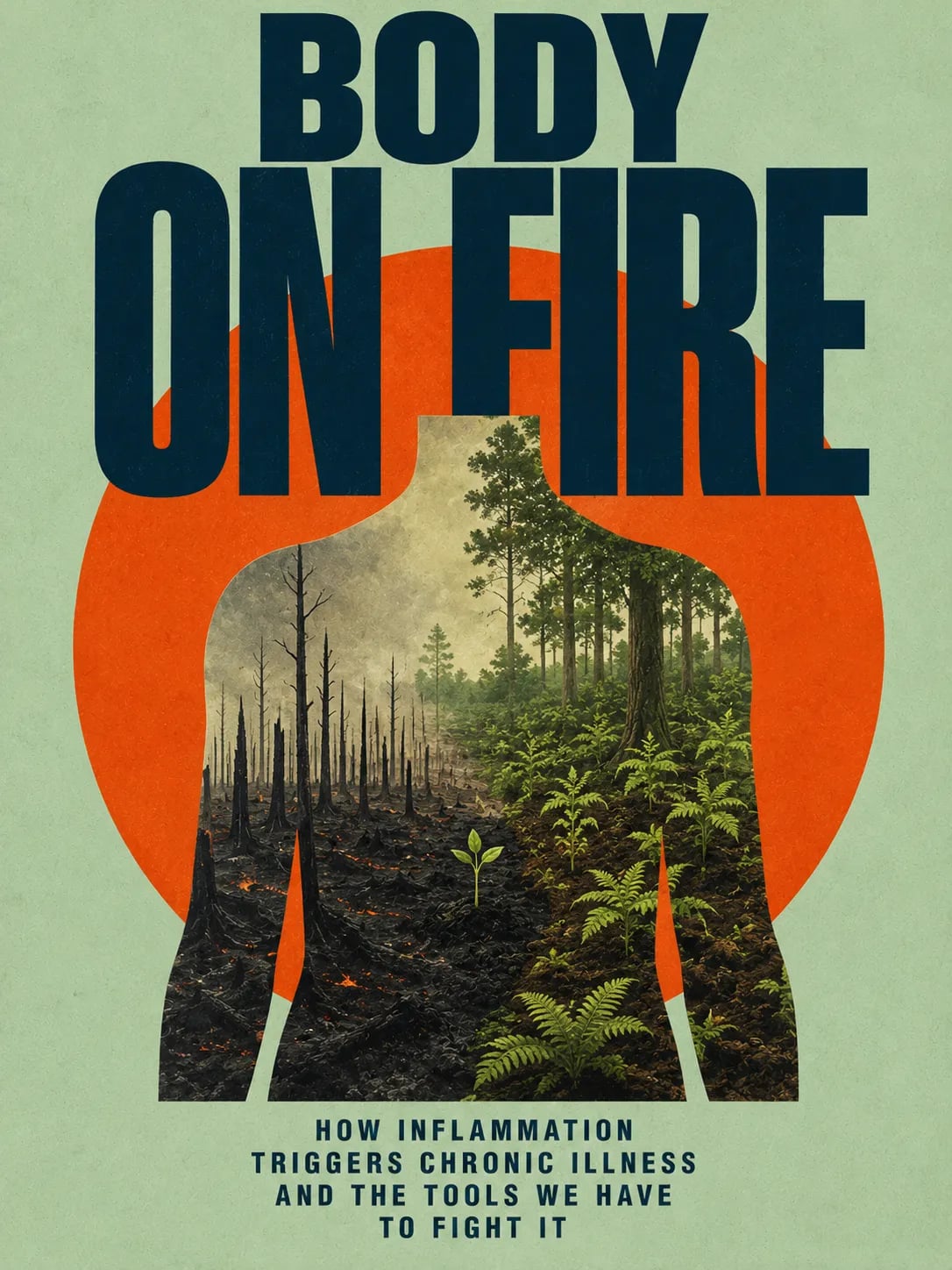
The book Body on Fire by Drs. Monica Aggarwal and Jyothi Rao explore how inflammation triggers chronic illness and offers practical tools to combat it. The authors, both physicians who personally experienced the limitations of conventional medicine, share their transformative journeys to true healing by addressing root causes rather than just symptoms. The book guides readers through understanding the disruption of the body's natural balance due to stress, poor diet, and lack of sleep. It outlines a comprehensive approach emphasizing the vital role of nutrition, gut health, mind-body connection, exercise, sleep, and even optimism. By offering science-backed insights and actionable prescriptions, Body on Fire empowers readers to identify their own "fires" of inflammation and adopt a lifestyle that promotes lasting health and well-being.
Press play to hear the insight read aloud. Each word highlights in sync with the narration.
Intro
Many people go through life unknowingly fighting a slow burning fire within, the kind of internal inflammation that fuels chronic illness and steadily drains energy and vitality. For too long, we've relied on quick fixes and pharmaceutical solutions to manage symptoms, often overlooking the deeper causes of our suffering. This exploration offers a profound shift in perspective, revealing that our health destiny isn't solely predetermined by genetics, but by the daily choices we make, the environment we inhabit and how we manage stress. It's a journey into understanding how to truly heal from within, using powerful tools that don't come in a pill bottle, but from nourishing our bodies, calming our minds and embracing movement.
1. Finding Our Inner Harmony
Finding Our Inner Harmony Our bodies possess an incredible capacity for balance, striving for internal stability and equilibrium, a state known as homeostasis. This is vital for maintaining health, stability, and calm, keeping illness at bay. However, modern life constantly bombards us with stressors that deplete our resources. From the foods we eat to pollution, lack of sleep, and the relentless demands of our jobs and social lives. When these demands overwhelm our body's ability to cope, balance is lost, and inflammation is triggered, leading to a state described as body on fire. This persistent imbalance can manifest as fatigue, weight gain, depression, autoimmune diseases, or serious conditions like cancer and heart disease. The good news is, by recognizing how stress impacts us, we can begin the powerful journey of healing and reclaiming our balance.
Continue reading with the cont. app
The full chapter-by-chapter breakdown is waiting for you in the app.
Continue readingCore Premise: Balance is Key to Health
Our bodies constantly strive for homeostasis, an internal balance despite external stressors.
When demands outweigh resources, the body becomes imbalanced, irritated, and inflamed – described as "Body on Fire".
This chronic inflammation can lead to the immune system attacking its own organs and manifests as chronic illnesses like stomach complaints, fatigue, weight gain, depression, autoimmune diseases (e.g., rheumatoid arthritis), cancer, and heart disease. Initial lab results might appear normal, providing a false sense of security before sickness develops.
Beyond Conventional Medicine: A Holistic Approach
Conventional medicine excels at acute problems, but pharmaceutical drugs are less useful for chronic illness, which often stems from unhealthy lifestyle choices.
This approach focuses on identifying and addressing root causes like stress and inflammation, rather than just treating symptoms.
It offers "prescriptions that don't come in pill form", complementing medications and sometimes allowing their reduction or cessation. It emphasizes personal choice and control in health.
Key Stressors & Imbalances ("Fires to Extinguish")
**Chronic Stress and its Physical Impact:
**
Stress is defined as the body's response to a demand for change, which can be emotional, mental, physical, chemical, or environmental.
While eustress (good stress, e.g., positive anticipation) is adaptive, distress (negative stress, e.g., loss or job termination) triggers inflammation and oxidative stress.
Continuous stress depletes the body's resources, leading to imbalance.
It causes the sympathetic nervous system (fight-or-flight) to remain activated, leading to:
Elevated cortisol levels. This can cause abdominal fat accumulation (apple shape) and chronically elevated sugar levels.
Immune system dysregulation, leading to increased infections, poor wound healing, and higher inflammatory markers.
Oxidative stress (toxic free radicals) damages cells, contributing to chronic fatigue, depression, weight gain, and chronic diseases like diabetes and cardiovascular disease.
Accelerated biological aging due to telomere shortening.
Modern life with constant digital stimulation, work, and lack of downtime keeps us in a perpetual "on" state, disrupting homeostasis.
**The Gut: Our "Second Immune System" (The House of Bugs):
**
Microbiota (all microorganisms) and microbiome (their collective genes) are vital for immune defense, hormone, and mood regulation.
An imbalanced microbiota can increase risk for autoimmune diseases, obesity, infections, allergies, and depression.
Leaky Gut (Intestinal Permeability): When tight junctions between intestinal cells break, allowing bacterial by-products and foreign particles into the bloodstream, triggering systemic inflammation and autoimmune reactions.
Gut-Brain Axis: A direct connection via the autonomic nervous system (especially the vagus nerve) links gut health to brain function, mood (serotonin), memory, and behavior.
Hygiene Hypothesis: Over-sanitization and excessive antibiotic use may weaken our immune system's natural development by reducing exposure to beneficial microbes, contributing to allergies and autoimmune diseases.
Dietary Triggers (Elimination is Key)
Cause gut to produce TMAO (Trimethylamine N-oxide), promoting plaque formation and cardiovascular risk.
High in saturated fat and contribute to lipopolysaccharide (LPS) production, linked to leaky gut and chronic illness.
Associated with increased cancer risk (e.g., from HCAs formed during grilling).
Nitrates in processed meats link to endothelial dysfunction and insulin resistance.
Elimination for at least three months allows gut healing.
Pasteurization destroys enzymes needed for milk digestion, and dairy is believed to trigger leaky gut.
Studies link higher milk intake to increased fracture and death rates, and higher inflammation. Calcium can be obtained from many non-dairy plant sources.
Potential correlations with bladder, prostate, colon, and ovarian cancers, possibly due to hormones in milk.
Fermented dairy (yogurt, sour milk) may have different, beneficial effects.
Altered from natural state, often with saturated fats, oils, and excessive salt.
Contains inflammatory preservatives and artificial flavors.
Often include high-fructose corn syrup, which is processed, unnatural, inflammatory, and can block satiety signals.
Refined grains (e.g., instant oatmeal, thinned wheat) lose fiber and nutritional value.
"Food shouldn't last that long." Focus on fresh, whole foods that spoil.
Americans consume vastly more processed sweeteners than recommended.
Artificial sweeteners are linked to increased waist circumference, insulin resistance, and dysbiosis (disruption of gut microbiome), often being worse than sugar for obesity and diabetes risk.
Contribute to "empty calories" and nutrient-poor diets.
Plants or animals with altered DNA, often to withstand pesticides or produce them.
Concerns exist about their impact on human health and inflammation, though human studies are limited. Choosing organic foods can help avoid GMOs.
Healing Tools & Practices ("Resources to Replenish")
Rich in phytonutrients (e.g., lycopene, beta carotene, flavonoids, resveratrol) that act as antioxidants to decrease inflammation and oxidative stress, protecting cells.
Higher intake is linked to increased lifespan, especially reduced cardiovascular deaths. Aim for more than seven servings per day.
Whole fruits and vegetables are best; juices remove fiber.
Kale is a "superfood" with vitamins A, K, potassium, magnesium, iron, protein, B vitamins, and ALA (omega-3 precursor).
Complex carbohydrates (e.g., beans, lentils) provide sustained energy, fiber, and promote satiety.
Legumes are rich in protein, potassium, magnesium, iron, and contain resistant starches that ferment into short-chain fatty acids (SCFAs) like butyrate, which are anti-inflammatory, anticancer, and help lower insulin resistance and cholesterol.
Focus on low caloric-density foods (high in water and fiber) to feel full while consuming fewer calories.
Avoid saturated fats (animal fats, coconut/palm oil) as they increase cardiovascular risk.
Trans fats (hydrogenated oils) are highly toxic and worse than saturated fats for heart health.
No oil is truly "good" for you by itself; they are calorie-dense and can cause heart plaque. Use water or orange juice for sautéing.
Omega-3 fatty acids (EPA, DHA, ALA) from marine or plant sources (flaxseed, walnuts, chia seeds) are crucial for reducing triglycerides, abnormal heart rhythms, blood thinning, and blood vessel dilation.
Nuts are heart-healthy in moderation (1 oz, 2-5 times/week), packed with unsaturated fats, fiber, plant sterols (cholesterol-lowering), vitamin E, and L-arginine (dilates blood vessels). Walnuts are particularly beneficial.
Seeds (chia, flax, pumpkin, sesame) are rich in protein, fiber, ALA, lignans (anti-inflammatory, anti-cancer), and beneficial minerals. Grind seeds for better absorption.
Avocado is nutrient-rich but calorie-dense; restrict intake for those with heart disease.
Concentrated sources of unique phytonutrients that can turn inflammatory cascades on and off, reducing inflammation and oxidative stress.
Turmeric (curcumin): Anti-inflammatory, anti-cancer, antioxidant, may help arthritis pain (like ibuprofen), Alzheimer's, and cardiovascular health.
Rosemary: Potent antioxidants (rosmarinic acid, carnosic acid, carnosol) that reduce harmful HCAs formed during cooking; also reduces cortisol.
Cinnamon: Enhances insulin sensitivity, lowers blood sugar, triglycerides, and cholesterol; also antifungal and antibacterial.
Garlic: Nutrient-rich, potent antioxidant, linked to lower cholesterol, reduced platelet aggregation, and improved blood vessel elasticity.
**Water (The Essence of Life):
**
Essential for all bodily functions: fluid balance, detoxification, nutrient transport, waste removal, temperature regulation.
Dehydration is a stressed body; leads to constipation, headaches, kidney issues, and can be confused with hunger.
Avoid dehydrating drinks like coffee, sodas, and juices, which don't hydrate despite liquid content.
Aim to urinate every two hours; urine color indicates hydration.
**Sleep (Rejuvenate and Detoxify):
**
Inadequate sleep affects 50-70 million Americans and leads to daytime fatigue, poor mood, irritability, poor concentration, weight issues, and increased risk of accidents.
Restorative sleep (7-9 hours for adults) is crucial for:
Hormone regulation: Cortisol levels decrease, adenosine and melatonin increase. Sleep debt keeps cortisol elevated, leading to chronic inflammation.
Antioxidant protection: Sleep is restorative and acts as an antioxidant, supporting glutathione production (a powerful antioxidant).
Performance and Cognition: Sleep deprivation impairs alertness, psychomotor skills, cognitive function, memory formation, and learning (hippocampus, BDNF).
Metabolism & Weight: Insufficient sleep can mimic insulin resistance, raise fasting glucose, increase ghrelin (hunger) and decrease leptin (satiety), slowing fat loss.
Brain Detoxification: Brain cells shrink during sleep to increase interstitial space, allowing fluid to clear neurotoxins and waste products.
Sleep Apnea (intermittent breathing cessation): Causes significant sleep disruption, lowers metabolism, affects memory, and increases risk for hypertension, stroke, heart disease, and heart failure.
Blue Light: Electronic devices emit blue light that inhibits melatonin, increasing alertness and disrupting circadian rhythm; avoid screens 1-2 hours before bed.
**Mind-Body Connection (Yoga and Meditation):
**
Techniques like yoga, breathing exercises (pranayama), and meditation help suppress the sympathetic (fight-or-flight) nervous system and enhance the parasympathetic (rest and digest) system, refilling our energy tanks.
Yoga (combining postures, breathing, meditation):
Builds muscle, improves memory, reduces pain, and acts as an anti-aging routine by helping to preserve vision, cognitive health, and body structure.
Lowers stress hormones (cortisol) and inflammatory markers.
Enhances mitochondrial energy production (ATP).
Improves hormone balance (e.g., DHEA, growth hormone, adiponectin), and can reduce visceral fat and help with PCOS.
Improves cardiovascular health by improving endothelial function, lowering BMI, blood pressure, cholesterol, and triglycerides.
Significantly improves mood, anxiety, depression, and pain (e.g., through Mindfulness-Based Stress Reduction - MBSR).
Builds gray matter in the prefrontal cortex, improving working memory, brain function, and resilience to stress.
Improves posture and alignment, combating effects of prolonged sitting (e.g., hip flexor tightness, muscle weakness, insulin resistance).
Yoga Nidra (yogic sleep): Induces alpha brain waves for relaxation, improves restful sleep, and recharges the autonomic nervous system.
Transcendental Meditation (TM): Uses a mantra to settle the mind, lowering cortisol (up to 30%), reducing sympathetic activation, and improving cardiovascular outcomes (recommended by AHA for hypertension).
Mindfulness: Focus on the present moment, reduces multitasking ("rapid toggling"), which can lower performance.
**Exercise (The Euphoria of Movement):
**
Regular physical activity improves physical fitness (endurance, strength, flexibility, body composition) and physiologic parameters (blood sugar, cholesterol, metabolism).
Lowers risk of heart disease, stroke, type 2 diabetes, and certain cancers.
American Heart Association recommends at least 150 minutes of moderate exercise per week (3-6 METs). Even small increases in activity reduce chronic illness risk and mortality.
Metabolic Fitness: Exercise increases mitochondria (energy producers), boosts nitric oxide (dilates blood vessels, reduces plaque formation), and elevates brain-derived neurotrophic factor (BDNF) for neuroplasticity, learning, and memory.
Aerobic vs. Anaerobic: Aerobic (with oxygen) primarily burns fat; anaerobic (without oxygen) uses glucose and produces lactic acid. Training helps increase aerobic capacity.
Recovery is vital: Adaptations and healing occur during rest periods between workouts. Overtraining can lead to fatigue, muscle soreness, immune dysfunction, and mood disorders.
Hormonal Impact: Moderate to intense exercise increases cortisol (initially beneficial, but chronic elevation is negative), testosterone (anabolic, muscle building, recovery) and growth hormone (muscle size, fat distribution).
Body Composition: Exercise, especially moderately intense activity combined with dietary changes, effectively reduces visceral (abdominal) fat (which produces inflammatory cytokines and affects hormones) more than subcutaneous fat. It can also transform white fat into metabolically active brown adipose tissue (BAT), boosting metabolism.
Mood & Cognition: Exercise releases endorphins (natural painkillers, elevates mood), elevates neurotransmitters (serotonin, dopamine, norepinephrine), and improves brain volume and function.
Novel Workouts: High-intensity interval training (HIIT) like Tabata can be efficient for cardiovascular health, fat reduction, and inflammatory markers.
Stretching & Balance: Essential for flexibility, preventing falls, improving physical function, and easing pain.
Bone Health: Weight-bearing exercises (walking, running, lifting, yoga) and strengthening exercises build and maintain bone density, preventing osteoporosis.
Play: Joyful activities like gardening, playing with kids/pets, or laughing can elevate heart rate and improve mental health.
**Fasting (Resetting the Immune System):
**
An age-old concept, shifting from constant eating to periods of no caloric intake.
Intermittent Fasting (e.g., 12-48 hours no calories) or Time-Restricted Feeding (eating within a 6-12 hour window daily).
Benefits occur even without significant caloric reduction, primarily due to a metabolic shift from glucose to fat burning (high ketone state).
Triggers autophagy (removal of damaged cellular particles) and enhances antioxidant protection, fighting free radicals and cancer cells.
Improves insulin sensitivity, blood sugar regulation, blood pressure, cholesterol, endurance, memory, and reduces abdominal fat.
Increases diversity of gut bacteria.
Exercising while fasting can increase fat burning and reduce post-workout appetite.
**Optimism (The Role of Positivity):
**
Optimism is not just genetic but can be cultivated.
Linked to improved health outcomes, including reduced depression, heart disease, increased resilience to stress, and even a longer lifespan.
Optimists tend to make better lifestyle choices (diet, exercise) and have stronger coping mechanisms.
Practical exercises to cultivate optimism: Gratitude journaling, regular exercise, meditation, and random acts of kindness.
Positive psychology focuses on five pillars for well-being: positive emotions, engagement, meaning, relationships, and accomplishments.
Negative emotions like depression and anxiety elevate cortisol and inflammatory markers, fueling the "internal fire". Cultivating positivity can literally rewire the brain.
Overall Philosophy: Change is a Journey
Healing is not simple but worthwhile.
Small, consistent steps are key to lasting change.
It's about a lifestyle change, not a temporary diet.
Learning to balance "go, go, go" with rest and recharge is essential for true healing and preventing illness.
Empowerment comes from knowledge and tools to identify and extinguish your "fires".
More like this
Editorial insight by cont. Not affiliated with, endorsed by, or sponsored by the author or publisher. Buy or borrow the full book at Amazon.